Fridge Organization: What Goes Where and Why It Stays Clean

To keep your fridge clean, place ready to eat items on top shelves, raw meat on the bottom, and milk on the middle shelf where temperatures stay steady. Use clear bins to group smaller items like condiments, snacks, and cheese. This exact fridge organization layout stops accidental spills, prevents quick food spoilage, and keeps your shelves clear every week.
Upper Shelves: Leftovers, Drinks, and Ready to Eat Food
The top shelves of your fridge have the most consistent temperature after the middle section. Put items here that do not need cooking, such as leftovers, drinks, prepared meals, and fresh herbs. Keeping cooked food at eye level ensures you eat it before it goes bad. Use clear glass containers for leftovers so you can see what is inside without opening every lid.
Set up this zone using simple container rules so your family can grab items quickly:
- Group drinks like juice, sparkling water, and iced tea on the right side of the top shelf.
- Place leftovers in a single line on the left side, put the oldest meals in the front.
- Store snacks like yogurt, dip, and fruit cups in an open clear bin for quick access.
- Keep soft cheeses and deli meats together in a shallow tray or the top built in drawer.
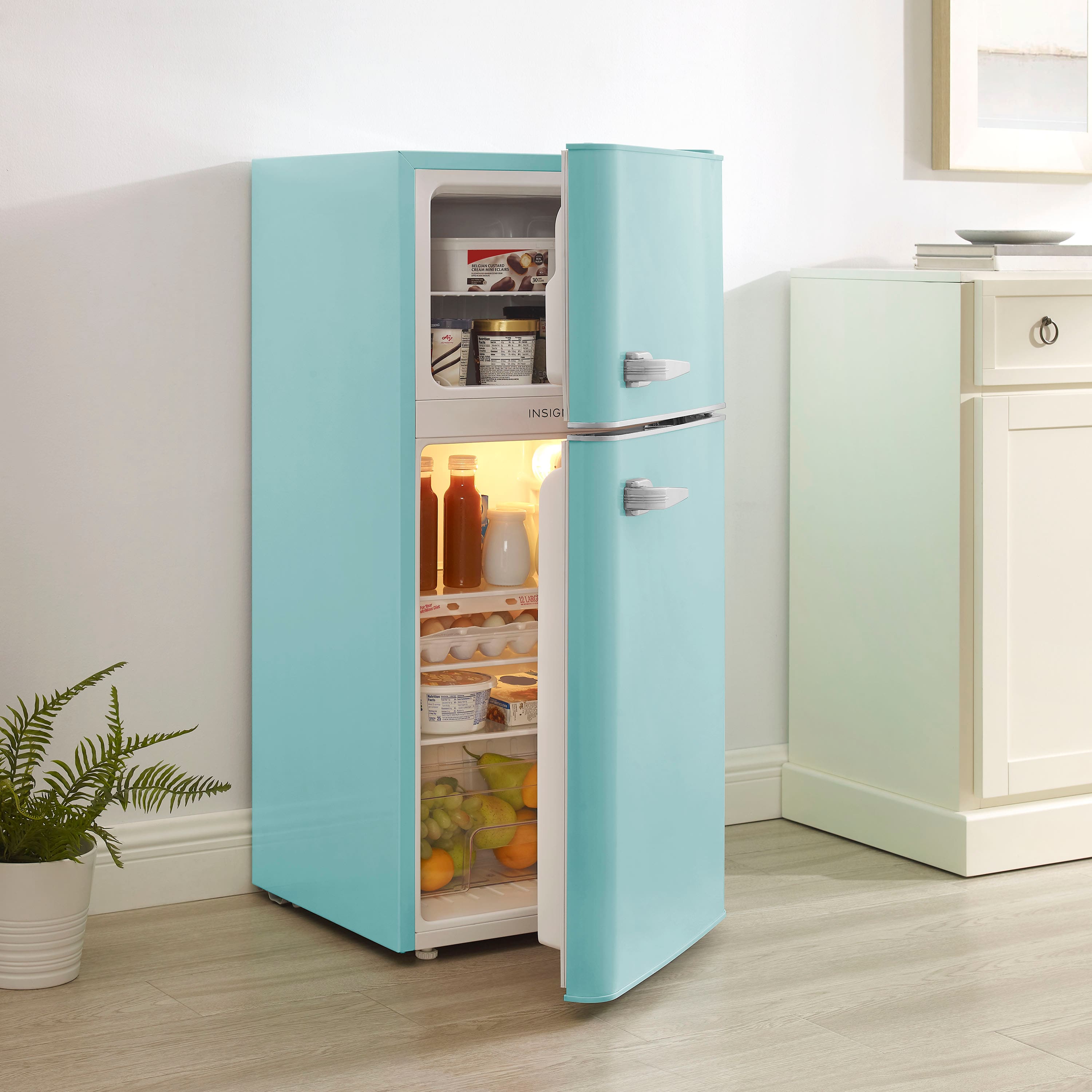
Middle Shelves: Eggs, Dairy, and Daily Cooking Staples
The middle shelf is the coldest area in the main cavity of the fridge. This makes it the correct spot for dairy products like butter, sour cream, and milk. Many people put milk in the door, but opening the door exposes the jug to warm room air dozens of times a day. Keeping dairy on the middle shelf helps it stay fresh up to five days longer.
Good housekeeping habits start with knowing where daily items belong. Place your egg carton right next to the milk on the middle shelf. Keep sour cream, cottage cheese, and block cheeses right behind the eggs. When every dairy item has a assigned spot, you immediately notice when you run low on weekly grocery staples.
Bottom Shelf: Raw Meat, Poultry, and Seafood
The bottom shelf is cold, but its main job is safety. Store all raw meat, poultry, and fish on the very bottom shelf. If a package of chicken drips, it will not contaminate cooked food, produce, or drinks below it. Always place raw protein on a rimmed tray or inside a washable plastic bin rather than directly on the glass shelf.
Follow these steps to keep your bottom shelf clean and safe:
- Line a rimmed baking sheet or plastic bin with a paper towel.
- Set all store bought meat packages flat inside the bin without stacking them high.
- Thaw frozen meat inside this same bottom bin to catch liquid as it melts.
- Wipe the tray with warm soap and water every time you finish cooking a protein.
Crisper Drawers: Managing Humidity for Fruit and Vegetables
Crisper drawers control airflow to keep your produce crisp. Most fridges have two drawers. Set one drawer to high humidity by closing the small vent slider, and set the other to low humidity by leaving the vent open. High humidity keeps moisture in, which stops leafy greens from wilting. Low humidity lets gas escape, which stops fruit from rotting quickly.
The process of solid cleaning gets much easier when produce stays in the correct drawer. In the high humidity drawer, store spinach, lettuce, broccoli, carrots, and cucumbers. In the low humidity drawer, store apples, pears, berries, grapes, and citrus fruits. Wash produce right before you eat it, not before you store it, because extra moisture in the drawer causes mold.
How to Clean a Fridge in Twenty Minutes
Keeping your fridge clean does not require an entire afternoon. Set a timer for twenty minutes once a week, right before you go grocery shopping. Throw away expired food, wipe down empty shelves, and put new groceries into their assigned spots. This quick weekly reset keeps food from hiding in the back corners for months.
Use this five step routine to reset your fridge fast:
- Take out old leftovers, expired sauces, and spoiled produce, then toss them.
- Wipe empty glass shelves with a microfiber cloth damp with warm water and dish soap.
- Dry the glass completely with a clean towel before putting food back inside.
- Group new groceries on the counter by shelf zone before loading the fridge.
- Put items back into their exact spots using the top, middle, and bottom shelf rules.


Comments
Post a Comment